
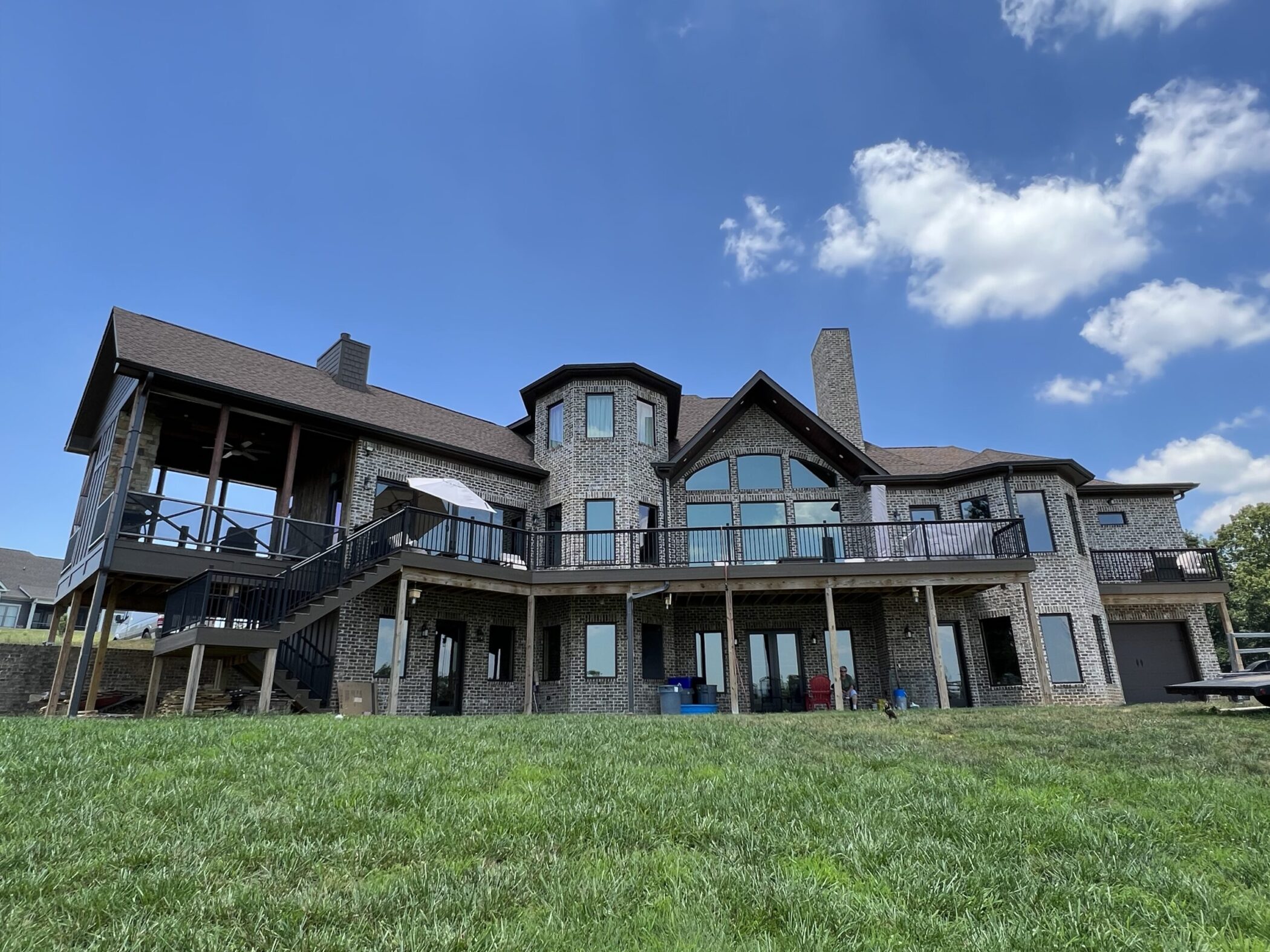
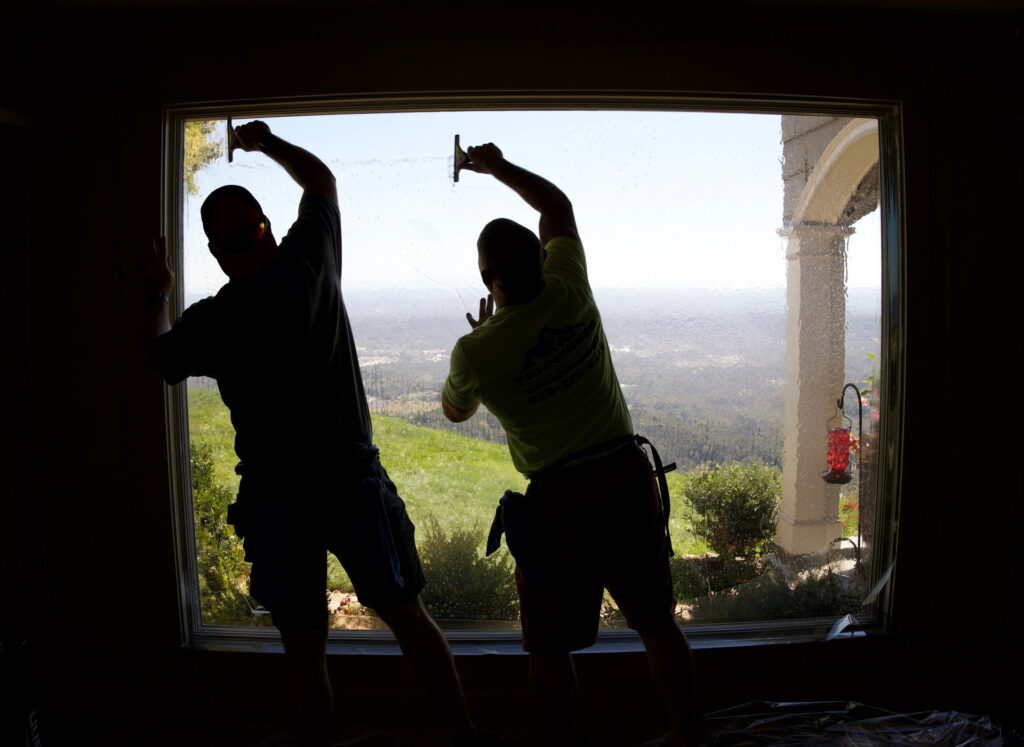
Window tinting does reduce heat, and it does it in a measurable way. Residential window film blocks solar heat before it enters your home, which keeps indoor temperatures more consistent and takes real pressure off your air conditioning system. For Chattanooga homeowners dealing with long, hot summers, it is one of the most cost-effective upgrades available.
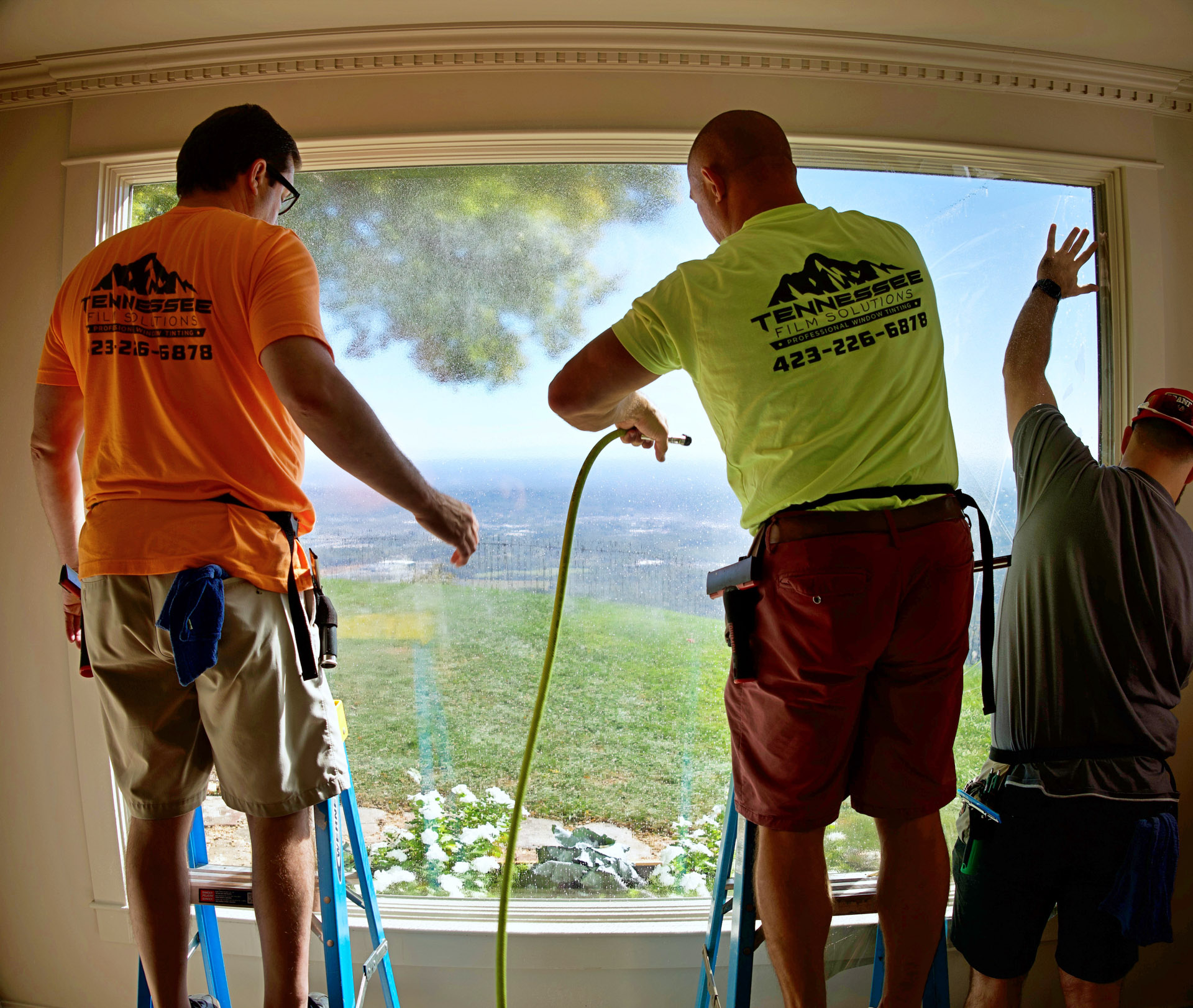
Yes, window tinting reduces heat, and the answer is more precise than most homeowners expect. Window film does not just darken your glass. It works by blocking the specific wavelengths of solar energy that cause heat buildup inside your home, primarily infrared radiation and a portion of visible light. The result is a measurable drop in indoor temperature and a lighter load on your air conditioning system. For homeowners in Chattanooga managing sky-high energy bills through July and August, that combination matters.
How Does Window Tinting Reduce Heat in Your Home?
To understand how window film works, it helps to know where indoor heat actually comes from. A large share of the heat that builds up inside a home on a sunny day enters through the glass. Sunlight carries infrared radiation, which passes through untreated windows and warms up everything it touches, including furniture, flooring, walls, and the air itself. Your air conditioner then has to remove that heat, which is expensive and constant during a Chattanooga summer.
Window film intercepts that process at the glass. High-quality residential film rejects solar heat before it enters the room, which means your AC is fighting less heat from the start. Some films, including ceramic options and the Huper Optik films carried by TN Film Solutions, reject a significant percentage of total solar energy while still allowing plenty of natural light through. You keep the brightness without the heat penalty.
Does Window Tinting Reduce Heat Enough to Lower Your Energy Bill?
This is the question most homeowners actually want answered. The short version is yes, but the amount depends on factors like how much direct sun your windows receive, how many windows are treated, and what type of film is installed. South and west-facing windows tend to see the biggest gains because they take the most direct sun during the hottest part of the day.
When solar heat gain drops, your HVAC system cycles less often and runs shorter intervals. Over a full Chattanooga summer, that adds up. Energy cost savings from residential window tinting are a real outcome, not a marketing claim, and they tend to compound over time as utility rates continue to rise. Our residential window tinting page walks through the full range of solar control film options available for Chattanooga homes.
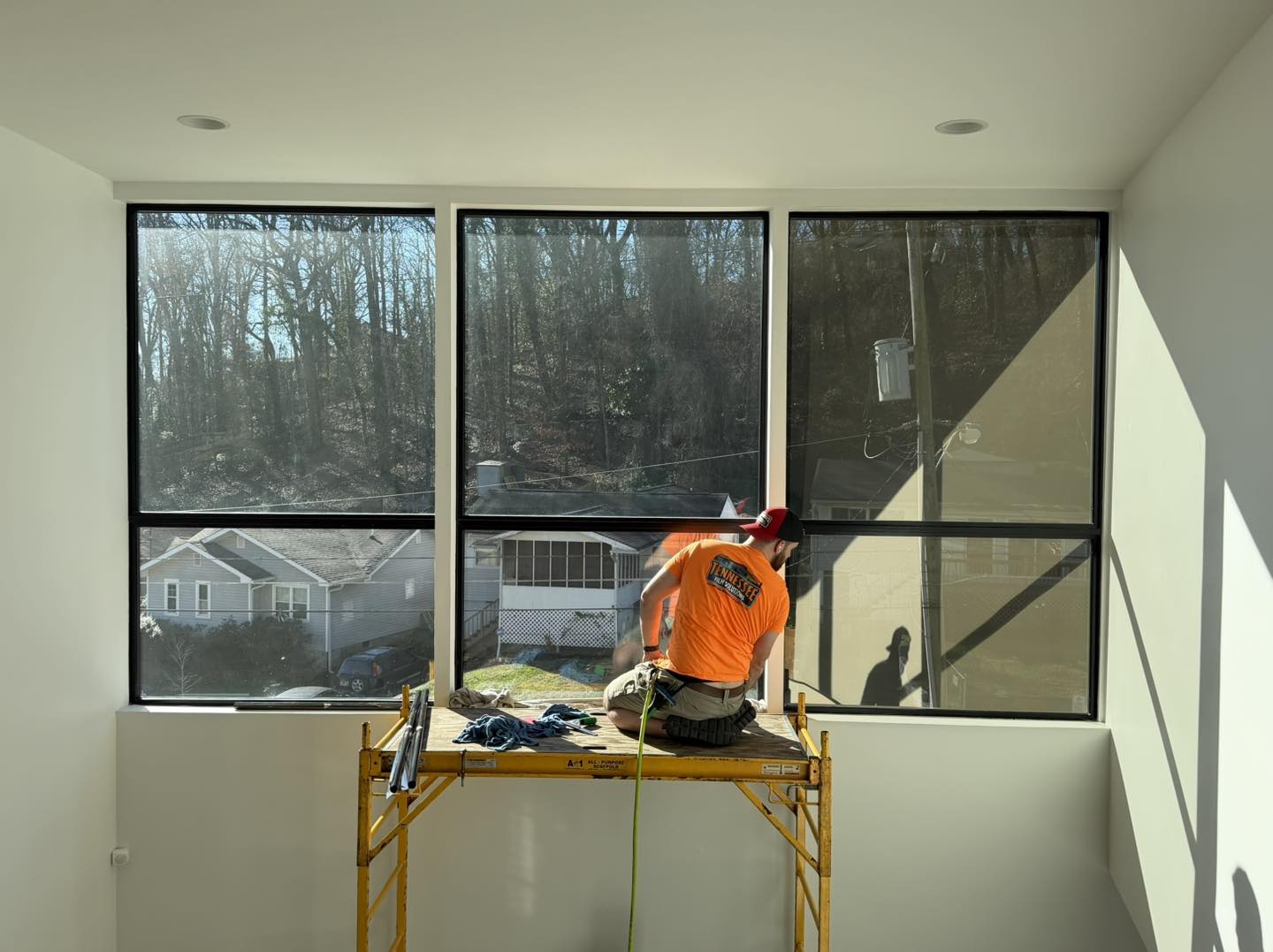
How Window Tinting Helps During a Chattanooga Summer Specifically
Chattanooga sits in a humid subtropical climate zone. Summers are long, sunny, and consistently hot from late May through September. Homes with large windows, sunrooms, or open floor plans near south and west exposures often develop uncomfortable hot spots by mid-afternoon, even with the AC running. Window tint addresses those hot spots directly by reducing heat at the source rather than asking your HVAC to chase it down after the fact.
The comfort difference tends to be most noticeable in rooms that were previously difficult to use during peak afternoon hours. A living room that faced west could stay five to ten degrees cooler with film on the glass. That change is usually immediate after installation.
Other Heat-Related Benefits of Window Tinting in Chattanooga
UV Protection That Reduces Sun Damage Indoors
Infrared radiation causes heat, but UV rays cause fading and material breakdown. Residential window film blocks up to 99 percent of UV rays, which protects hardwood floors, upholstery, artwork, and window treatments from the kind of gradual fading that is easy to miss until the damage is already done. Protecting your interior is a secondary benefit of heat reduction that pays off over years of ownership.
Consistent Temperatures Throughout the Home
One of the subtler advantages of window tinting is the effect it has on temperature consistency from room to room. When heat is entering unevenly through different windows, some rooms overheat while others stay cool. Window film applied throughout the home evens that out, which makes it easier for your HVAC system to maintain a steady set temperature without working against hot spots.
Glare Reduction That Makes Summer More Comfortable
Summer heat and summer glare tend to arrive together. Film that blocks solar heat also reduces the glare that makes it hard to watch television, use a laptop, or simply sit near a bright window in the afternoon. Our blog on improving energy efficiency and comfort with window tint covers how both issues connect and why addressing them at the glass is more effective than adding shades or blinds.
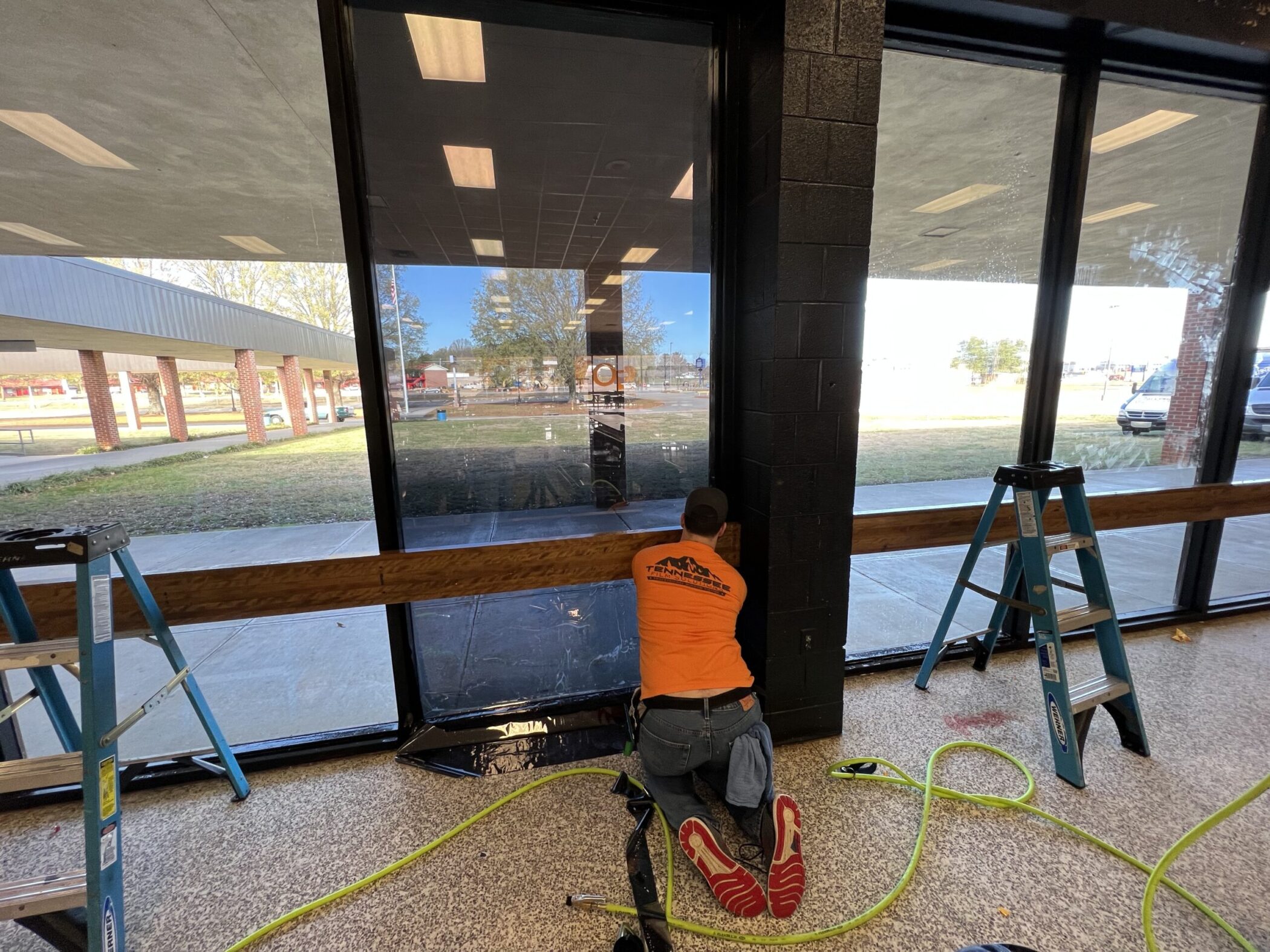
Frequently Asked Questions About Window Tinting and Heat Reduction
Does window tinting actually reduce heat inside a house?
Yes. Window film blocks infrared radiation and solar energy before it enters through the glass, which reduces heat buildup inside the home and lowers the load on your air conditioning system.
How much heat does window tint block?
The amount varies by film type. High-performance ceramic and solar control films can reject more than half of total solar energy while maintaining good visibility and natural light transmission.
Will window tinting make my house darker?
Not necessarily. Modern films are designed to reject heat and UV rays without significantly reducing visible light. Many homeowners notice little difference in how bright a room feels after installation.
How long does it take to see energy savings after window tinting?
Savings show up on the first full cooling cycle after installation. The overall impact on your energy bill builds through the summer and becomes easier to measure after a full season.
Is window tinting worth it for older homes in Chattanooga?
Yes, often more so than for newer homes. Older single-pane or clear-glass windows offer very little solar control on their own, so the improvement from window film tends to be more significant.

Schedule Your Window Tinting in Chattanooga Before Peak Heat Hits
If your home has been uncomfortable this summer or your energy bills have been higher than they should be, window tinting is worth a closer look. At TN Film Solutions, we have spent over 20 years helping Chattanooga homeowners find the right film for their home, budget, and goals. We offer free estimates, and our team can walk you through which films will have the biggest impact on heat in your specific home. Request a free quote or call us at (423) 226-6878, and let’s find out what window tinting can do for your home this summer.